Coll and Tiree embody many of the qualities for which the windswept Scottish islands are best loved: clean, sandy beaches, diverse and thriving wildlife, and a lively, welcoming culture that ensures visitors quickly feel at home – just don’t forget to wave if you pass someone on the road.
Tiree is the gentler big sister, with its largely flat, fertile landscape and currant bun-like cottages. The island is one of the world’s top windsurfing spots, hosting some remarkable feats of aquatic athleticism at the Tiree Wave Classic (an international competition held each Autumn) but it is also a good place for beginners to try the sport.
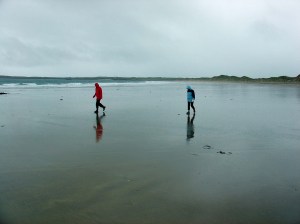
Ballhough Beach, Isle of Coll
The An Iodhlann museum introduces visitors to Tiree’s visible past, but its most arresting historic attraction is the 19th century Skerryvore lighthouse, located on treacherous rocks about ten miles south-west of the island. It is one of the Stevenson dynasty’s proudest accomplishments, and the inspiration for the name of popular Tiree-born band Skerryvore.
Coll is rockier and more rugged than its neighbour, with far fewer residents and amenities. Its beaches are mostly accessible only on foot, which makes for a wonderful sense of isolation once you reach them.
The island, which has virtually no light pollution, has achieved ‘dark skies’ status, an official confirmation that it is one of the best places in Europe for stargazing.
From otters and basking sharks, to wild flowers, both islands are havens for wildlife, and have become particularly known for their corncrakes, an endangered species that flourishes thanks to ‘corncrake corridors’ created through co-operation between farmers and conservationists.
These birds are notoriously shy, so you will be lucky to see one, but from late spring to summer their distinctive ‘crek crek’ call is loud enough to keep you awake at night – a special sound, if not quite the peace and quiet that some head to these islands in search of.
 All about Argyll