Gaze across the prehistoric landscape of Kilmartin Glen and you instantly gain a sense of how this sweeping plain earns the title Valley of Ghosts.
While most of the west Highlands is a jagged landscape of peaks and troughs, the area around the Kilmartin is flat and fertile, and it is littered with archaeological clues, from hill forts to mysterious rock carvings, to help us evoke the lives and livelihoods of our forefathers.
Within a six mile radius of Kilmartin are more than 350 ancient monuments, with more thought to be undiscovered beneath the peat. The imposing standing stones at Ballymeanoch and Temple Wood and the burial cairn at Nether Largie South, repay a closer look.
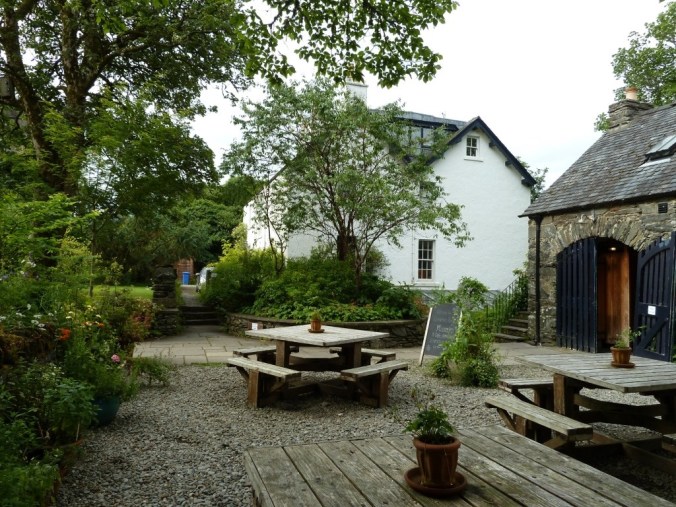
Kilmartin House Museum
Visitors to Kilmartin village can view the work of Loch Awe’s early stonemasons on carved crosses in the church yard, or try grinding grain at the award-winning Kilmartin House Museum (01546 510278) where exhibits (and a cosy cafe) help breathe life into the shapes of the mounds outside.
South of Kilmartin, the hill fort of Dunadd was the first seat of the kings of Dalriada, as this area was once known. Here you can see the faint rock carving of a wild boar and two footprints believed to be linked to a coronation ceremony, or look out over the nine-mile Crinan Canal, which snakes its way across the plain linking the villages of Crinan and Ardrishaig.
Nicknamed the country’s most beautiful shortcut, the canal was completed in 1801 to allow sea-going vessels to avoid the long and potentially dangerous passage around the Mull of Kintyre. It remains popular with leisure vessels from yachts to barges, and a towpath along its length provides a pleasant walk or cycling route – with the option of a mid-way stop in the scenic village of Cairnbaan.
A mile from the Ardrishaig end of the canal is Lochgilphead, the capital of mid Argyll and a good base from which to explore the area, with far-reaching views over Loch Fyne, and an eclectic mix of independent shops and tea rooms.
For a wildlife experience you won’t get anywhere else in the UK, head to Knapdale Forest, where families can follow a ‘detective trail’ for a chance to encounter beavers living in the wild for the first time in 400 years. You can find out about the project at the visitor’s centre at Barnlusgan.
The beaver families may have only been in Scotland for a few years, but elsewhere in Knapdale, near Tayvallich, are some of the country’s oldest living residents, the ancient atlantic oaks of the Taynish National Nature Reserve.
 All about Argyll